
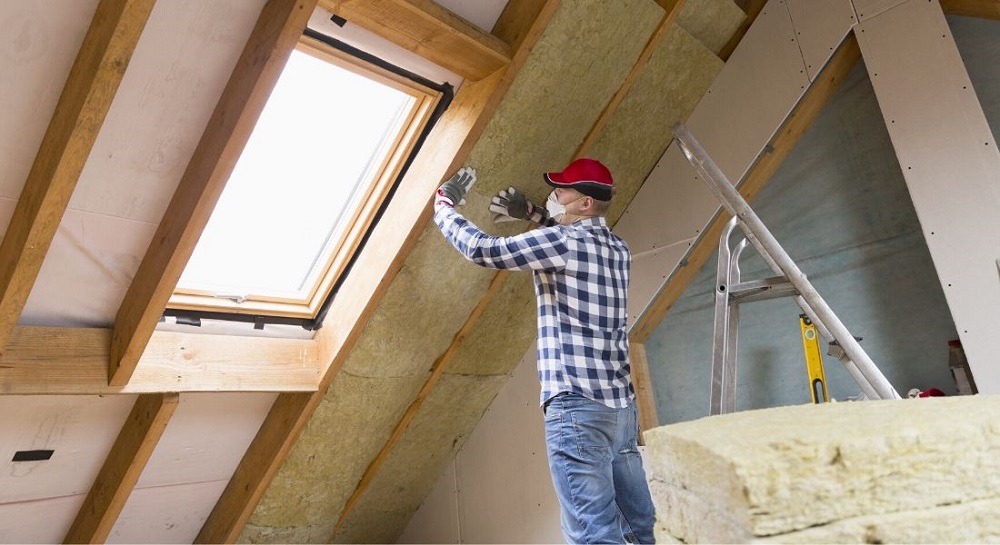
In the quest for more sustainable living and energy efficiency, insulation contractors play a pivotal role. They are not just installing materials; they are shaping the future of home comfort. Companies like Green Service Insulation are leading the way, showing how eco-friendly solutions can redefine what it means to live comfortably and sustainably.
The Evolution of Insulation
Insulation has come a long way from traditional materials like fiberglass. Today, green insulation options, including spray foam, batt insulation, and blown-in insulation, offer superior energy efficiency with a reduced environmental footprint. These innovations mark a significant shift towards sustainability in the construction and renovation sectors.
The Role of Insulation Contractors
As specialists, insulation contractors are the bridge between innovative materials and homeowners. Their expertise in insulation installation and understanding of energy efficiency can make a substantial difference in a home’s comfort and carbon footprint. Green Service Insulation is a prime example, with over 15 years of experience delivering tailored insulation solutions that meet the unique needs of each client.
Eco-Friendly Insulation Materials
The heart of eco-friendly insulation lies in materials that are sustainable, recyclable, and have a low environmental impact. Materials like sheep’s wool, recycled denim, and cellulose insulation are gaining popularity. They not only provide excellent thermal resistance but also contribute to healthier indoor air quality compared to traditional insulation materials.
Innovative Installation Techniques
The way insulation is installed is as important as the material itself. Techniques like precision spray foam insulation and blown-in insulation allow for a more airtight seal, minimizing gaps and thermal bridging. This ensures that homes are not just insulated but are also more energy-efficient and comfortable.
Benefits of Eco-Friendly Insulation
Choosing eco-friendly insulation offers numerous benefits:
- Energy Efficiency: Proper insulation can significantly reduce heating and cooling costs, making homes more energy-efficient.
- Environmental Impact: By using recyclable and sustainable materials, we can lessen our carbon footprint.
- Healthier Living Spaces: Eco-friendly materials tend to have lower VOC emissions, contributing to better indoor air quality.
- Long-Term Savings: While the initial investment may be higher, the energy savings over time make eco-friendly insulation a cost-effective choice.
Case Studies and Success Stories
Highlighting real-world examples, such as projects undertaken by Green Service Insulation, can illustrate the tangible benefits of eco-friendly insulation. Success stories of homes transformed through innovative insulation solutions can inspire homeowners to consider sustainable options for their insulation needs.
The Future of Insulation
Looking ahead, the insulation industry is poised for further innovation. From advancements in material science to smart insulation technologies that adapt to changing temperatures, the future of home comfort is bright. Insulation contractors will continue to play a crucial role in bringing these advancements to the market, ensuring homes are not only comfortable but also sustainable.
Driving Factors Behind the Shift to Eco-Friendly Insulation
Environmental concerns, rising energy costs, and increased awareness of health impacts associated with traditional insulation materials have spurred the demand for eco-friendly alternatives. Insulation contractors are responding by adopting materials and methods that align with these concerns, offering solutions that not only insulate but also contribute positively to the environment and occupant health.
Technological Advances in Eco-Friendly Insulation
The insulation industry is witnessing rapid advancements in technology, with research focused on enhancing the efficiency, sustainability, and application methods of insulation materials. Bio-based foams, aerogels with their exceptional thermal resistance, and thin yet highly effective vacuum insulation panels (VIPs) represent the cutting edge of insulation technology. These innovations promise to revolutionize how homes are insulated, making high-performance, low-impact insulation accessible to a broader market.
Challenges and Solutions in the Adoption of Green Insulation
Despite the clear benefits, the adoption of eco-friendly insulation faces challenges, including higher upfront costs, limited awareness, and misconceptions about performance. Insulation contractors like Green Service Insulation play a critical role in overcoming these hurdles through education, offering competitive pricing strategies, and demonstrating the long-term value and performance of eco-friendly options through case studies and real-world examples.
Regulatory and Industry Standards Supporting Eco-Friendly Insulation
Government regulations and industry standards are increasingly supporting the use of eco-friendly insulation materials. Energy codes and green building certifications, such as LEED and ENERGY STAR, encourage or mandate the use of sustainable materials, pushing the industry toward greener practices. Insulation contractors are adapting by ensuring their services meet these evolving standards, further driving the adoption of eco-friendly insulation.
The Economic and Social Impact of Eco-Friendly Insulation
Beyond environmental benefits, eco-friendly insulation has significant economic and social impacts. By reducing energy consumption, homeowners and businesses can achieve substantial cost savings over time. Additionally, the use of sustainable materials supports the green economy, promoting job creation in the production and installation of eco-friendly insulation products. Socially, these practices contribute to healthier indoor environments, enhancing the well-being of occupants.
Engaging Homeowners and the Community
Insulation contractors can engage with homeowners and the community through workshops, social media, and partnerships with local organizations to raise awareness about the benefits of eco-friendly insulation. Demonstrations, open houses, and educational content can help demystify green insulation options, showcasing their effectiveness and dispelling myths about their cost and performance.
The Role of Innovation and Continuous Improvement
The future of eco-friendly insulation relies on continuous innovation and improvement. By staying at the forefront of material science and installation techniques, insulation contractors can offer increasingly efficient and sustainable solutions. Collaborations with researchers and material manufacturers will be key in driving these advancements, ensuring the insulation industry can meet the demands of modern, eco-conscious consumers.
Conclusion
The transition to eco-friendly insulation is more than a trend; it’s a fundamental shift in how we think about building and renovating homes for optimal comfort and sustainability. Insulation contractors, exemplified by Green Service Insulation, are leading this charge, armed with knowledge, innovative materials, and a commitment to green building practices. As homeowners become more informed and regulations evolve to favor sustainability, the role of eco-friendly insulation in achieving the future of home comfort becomes increasingly clear. Through collaboration, education, and innovation, we can all contribute to a more sustainable, comfortable, and energy-efficient future.