
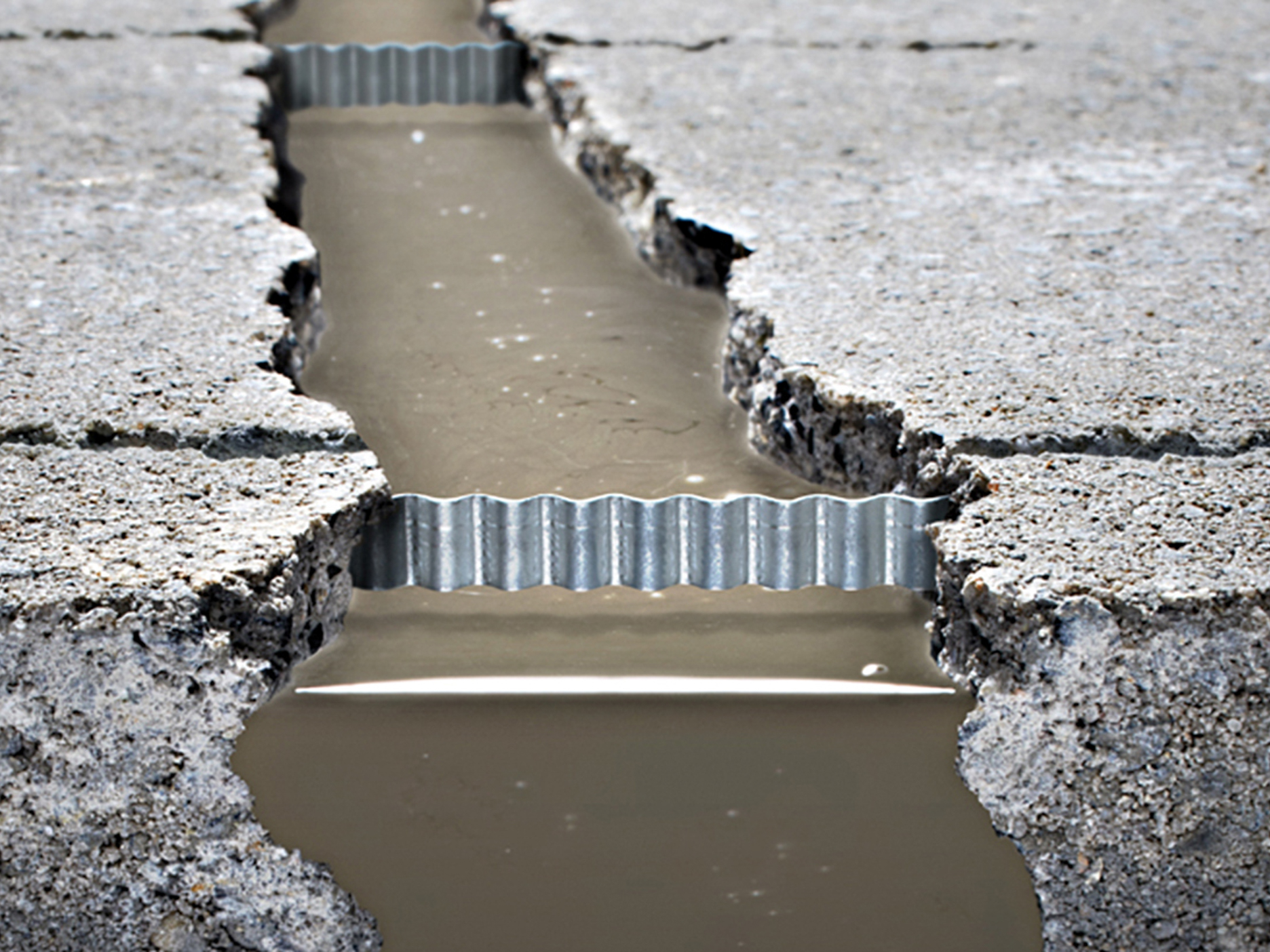
Concrete is one of the most widely used construction materials, known for its strength and durability. However, even the toughest concrete can deteriorate over time due to various factors, such as weather, wear and tear, and structural stress. This is where concrete restoration plays a crucial role. In this comprehensive guide, we will explore what concrete restoration is, why it’s needed, common restoration techniques, and tips for ensuring successful restoration projects.
What is Concrete Restoration?
Concrete restoration refers to the process of repairing and revitalizing existing concrete structures to restore their functionality, appearance, and safety. The goal is to extend the lifespan of concrete surfaces while addressing issues like cracks, spalling, and erosion. Restoration can be applied to a wide range of structures, including driveways, sidewalks, bridges, parking garages, and building foundations.
Why Concrete Restoration is Important
Concrete restoration is essential for several reasons:
- Safety: Cracked or damaged concrete can pose safety risks, leading to trip hazards or structural failures. Restoration addresses these issues to ensure a safe environment.
- Aesthetics: Restored concrete can improve the visual appeal of a property, enhancing its value and curb appeal. Concrete staining and concrete coloring are popular methods to rejuvenate concrete surfaces.
- Cost-Effectiveness: Restoration is often more cost-effective than complete replacement. By repairing existing concrete, property owners can save on material and labor costs.
- Environmental Impact: Concrete restoration reduces waste by reusing existing structures, contributing to sustainability.
Common Causes of Concrete Deterioration
To understand the need for concrete restoration, it’s helpful to explore the common causes of concrete deterioration:
- Weathering: Exposure to harsh weather conditions, such as rain, snow, and extreme temperatures, can weaken concrete over time.
- Chemical Exposure: Concrete can deteriorate when exposed to chemicals, including de-icing salts, oils, and industrial substances.
- Structural Stress: Heavy loads and vibrations can cause cracks and other damage to concrete structures.
- Improper Installation: Poorly constructed concrete can develop issues earlier than expected, necessitating restoration.
Concrete Restoration Techniques
Concrete restoration involves a variety of techniques, depending on the extent of the damage and the desired outcome. Here are some common methods used in concrete restoration:
1. Concrete Resurfacing
Concrete resurfacing is a popular method for restoring worn or damaged concrete surfaces. It involves applying a new layer of concrete or an overlay material over the existing surface, providing a fresh, smooth finish. Resurfacing can be used on driveways, sidewalks, and other flat surfaces.
2. Crack Repair
Cracks are a common problem in concrete. Concrete restoration specialists use various techniques to repair cracks, including epoxy injections, sealants, and patching compounds. Proper crack repair prevents further deterioration and improves the structure’s integrity.
3. Spalling Repair
Spalling occurs when the surface layer of concrete flakes or chips away, often due to freeze-thaw cycles or corrosion. Spalling repair involves removing the damaged concrete and applying a new surface coating or overlay. This process restores the appearance and prevents further damage.
4. Concrete Staining and Coloring
Concrete staining and concrete coloring are techniques used to enhance the aesthetic appeal of restored concrete. Stains and dyes can create vibrant or subtle hues, adding character to concrete surfaces. These techniques are popular for revitalizing concrete in residential and commercial spaces.
5. Waterproofing and Sealing
Water infiltration is a significant cause of concrete deterioration. Concrete waterproofing and sealing are essential to protect concrete structures from moisture damage. This technique involves applying a waterproof coating or sealant to prevent water from seeping into the concrete, extending its lifespan.
Tips for Successful Concrete Restoration Projects
To ensure a successful concrete restoration project, consider the following tips:
- Hire a Professional: Work with experienced concrete restoration professionals who have a track record of successful projects. A reputable contractor can assess the damage and recommend the best restoration approach.
- Identify the Root Cause: Before restoring concrete, identify the root cause of the damage. Addressing underlying issues can prevent future problems and ensure the restoration lasts.
- Choose the Right Materials: Select high-quality materials for the restoration process. Durable coatings, sealants, and overlays are critical for a successful project.
- Follow Proper Installation Practices: Proper installation is key to a successful restoration. Ensure that the contractor follows industry standards and guidelines.
- Maintain the Restored Concrete: After restoration, follow a regular maintenance routine to keep the concrete in good condition. This may include cleaning, sealing, and addressing minor repairs promptly.
Conclusion
Concrete restoration is a vital process for repairing and revitalizing concrete structures. By addressing issues such as cracks, spalling, and weathering, restoration helps extend the lifespan of concrete while improving its appearance and safety. With various restoration techniques available, property owners have the flexibility to choose the best approach for their needs.
If you are considering concrete restoration, working with a reputable contractor like Armor Coatings Inc. is crucial. With decades of experience, a commitment to quality, and a focus on customer satisfaction, Armor Coatings Inc. can guide you through the restoration process, ensuring a seamless and successful outcome. Whether you’re dealing with minor cracks or extensive damage, concrete restoration can breathe new life into your property, making it safer and more visually appealing.