
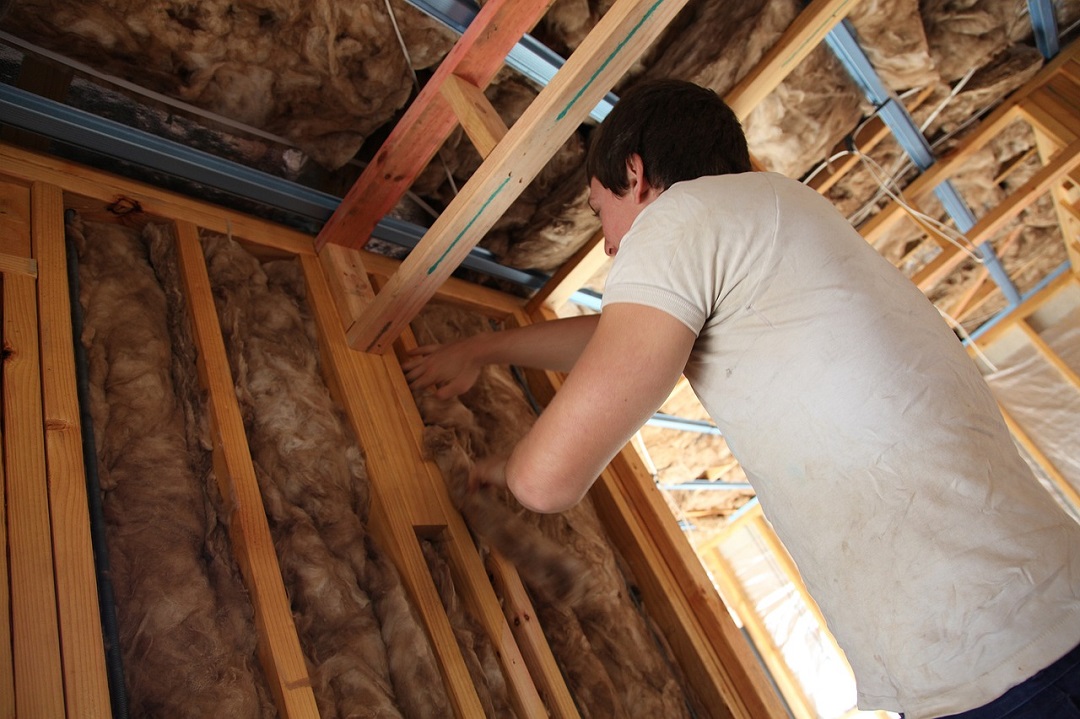
In the quest for sustainability, green insulation has emerged as a key player in revolutionizing energy efficiency within homes and businesses. As an insulation contractor with over 15 years of experience, Green Service Insulation is at the forefront of integrating eco-friendly solutions that not only save energy but also contribute to a healthier planet.
The Need for Green Insulation
The global push towards energy efficiency has highlighted the importance of proper insulation. Traditional materials, while effective in insulation, often come with environmental drawbacks, such as high embodied energy and the release of harmful substances. In contrast, green insulation offers a pathway to reduce energy consumption and carbon footprint simultaneously.
Types of Green Insulation Materials
- Spray Foam Insulation: A versatile option that provides excellent air sealing and thermal resistance. New eco-friendly variants use water or plant-based materials as the blowing agent, reducing environmental impact.
- Cellulose Insulation: Made from recycled paper products, cellulose insulation is treated with non-toxic fire retardants. It’s an exemplary model of circular economy utilization in the insulation industry.
- Wool and Cotton Insulation: Natural fibers offer superb thermal and acoustic insulation while being renewable and biodegradable. Sheep’s wool and recycled cotton denim are popular choices for their low environmental footprint.
- Recycled Plastic Insulation: Turning plastic waste into insulation material not only reduces landfill but also provides effective thermal resistance. Products like recycled PET batts are gaining traction for their sustainability credentials.
Advancements in Insulation Technology
Innovation in green insulation technology is rapidly advancing. From hyper-efficient aerogels to bio-based polyurethane foams, research is yielding materials with superior insulating properties and minimal environmental impact. These technologies promise to redefine what’s possible in energy-efficient building design.
Benefits Beyond Energy Savings
- Healthier Indoor Air Quality: Eco-friendly insulation materials often have lower VOC emissions, contributing to a healthier indoor environment.
- Sustainability: Choosing recycled or renewable materials reduces the demand for virgin resources and supports waste reduction efforts.
- Long-Term Cost Savings: While the initial investment may be higher, the energy savings over time make green insulation a cost-effective choice.
Implementing Green Insulation Solutions
For homeowners and businesses looking to improve their energy efficiency, working with experienced insulation contractors like Green Service Insulation is crucial. These professionals can assess specific needs and recommend the most effective green insulation options, ensuring optimal performance and environmental benefits.
Case Studies and Success Stories
Highlighting real-world applications of green insulation can showcase its effectiveness. From residential homes to commercial buildings, numerous projects have successfully utilized eco-friendly insulation to achieve significant energy savings and environmental impact reduction.
The Future of Green Insulation
As the demand for sustainable building materials grows, the future of green insulation looks promising. Ongoing research and development are likely to produce even more efficient and environmentally friendly options, further revolutionizing energy efficiency in the construction industry.
Challenges and Solutions in Adopting Green Insulation
Adopting green insulation comes with its set of challenges, including higher upfront costs and limited availability in certain regions. However, solutions such as government incentives, increased production of green insulation materials, and education on long-term benefits are helping overcome these hurdles. Highlighting the importance of informed decision-making, Green Service Insulation works closely with clients to navigate these challenges, offering expertise in selecting the most cost-effective and environmentally friendly insulation solutions for each project.
Integrating Green Insulation into Existing Buildings
Retrofitting existing buildings with green insulation presents unique challenges but also offers significant opportunities for energy savings. This section can delve into strategies for integrating eco-friendly insulation into older structures, addressing common issues such as moisture control, ventilation, and preserving architectural integrity. Case studies of successful retrofits can provide readers with practical insights and inspiration.
Regulatory Trends and Green Building Standards
The evolving regulatory landscape around building insulation and energy efficiency is driving the adoption of green insulation materials. This part of the article can explore how building codes and green certification programs like LEED (Leadership in Energy and Environmental Design) are influencing material choices, pushing the industry towards more sustainable practices. Green Service Insulation’s expertise in meeting and exceeding these standards showcases their commitment to sustainability and excellence in the field.
The Economic Impact of Green Insulation on the Construction Industry
The shift towards green insulation is not only an environmental or energy efficiency matter but also has significant economic implications. This section can analyze the impact of growing demand for eco-friendly insulation on job creation, market growth, and innovation within the construction industry. It could also discuss how companies like Green Service Insulation are contributing to a more sustainable economy through their services and products.
Engaging with Stakeholders for Wider Adoption
For green insulation to achieve its potential impact, engagement from a broad range of stakeholders is necessary. This includes manufacturers, policymakers, builders, homeowners, and insulation contractors. Strategies for fostering collaboration and communication among these groups can help accelerate the transition to more sustainable insulation practices. Green Service Insulation’s role in this ecosystem, including their outreach and education efforts, highlights the importance of collective action in driving change.
The Role of Technology and Innovation in the Future of Insulation
Looking forward, the continued evolution of insulation materials and installation techniques will play a crucial role in achieving greater energy efficiency and sustainability. This section can speculate on future innovations in green insulation, such as smart materials that adapt to environmental conditions or breakthroughs in recycling technologies that could further reduce the carbon footprint of insulation products. Green Service Insulation’s commitment to staying at the cutting edge ensures that clients benefit from the latest advancements in the field.
Conclusion
The exploration of green insulation innovations underscores a pivotal shift in the building industry towards sustainability and energy efficiency. Green Service Insulation exemplifies the dedication and innovation required to lead this change, offering solutions that not only save energy but also contribute to a healthier planet. As the industry continues to evolve, the potential for green insulation to revolutionize home and business comfort while addressing environmental challenges is immense. With the right approach and collaboration among all stakeholders, the future of energy-efficient, sustainable buildings is bright.
Contact Green Service Insulation
To learn more about how green insulation can transform your property’s energy efficiency and environmental impact, contact Green Service Insulation. With their expertise and comprehensive range of insulation services, they are ready to help you make a positive change. Visit their website or reach out directly to start your journey towards a more sustainable, comfortable living or working environment.